

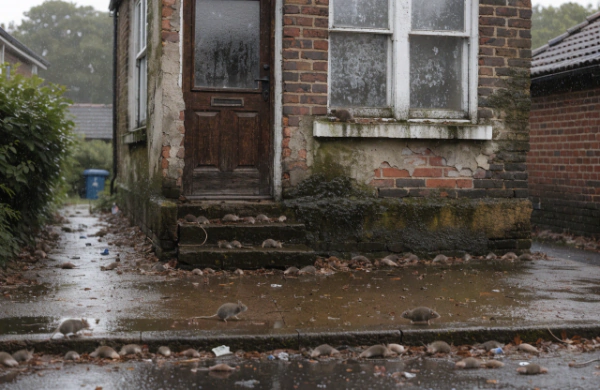
Most tenants expect the occasional nuisance when renting a home. A spider in the bath or a wasp in summer is usually not concerning. Pest infestations are different, particularly when they persist, spread, or return despite being reported.
Across Yorkshire, infestations in rented properties are a recurring problem, especially in high-density housing, older buildings, and rural accommodation. What often causes confusion is knowing when an infestation remains an inconvenience and when it crosses into something more serious.
The difference matters.
When pests are more than a one-off issue
A single sighting does not usually indicate a deeper problem. Infestations tend to reveal themselves through repetition and pattern rather than a single event.
Tenants often begin to worry when:
- pests are seen regularly rather than occasionally
- activity increases rather than reduces over time
- multiple rooms are affected
- neighbouring properties report similar issues
At this stage, the issue is no longer about tolerance or cleanliness. It becomes a question of habitability and maintenance.
Types of infestations commonly reported in Yorkshire homes
The type of pest involved often reflects the property itself and its surroundings.
In Yorkshire rental properties, tenants commonly report:
- rodents entering through gaps in walls, floors, or external drainage
- cockroaches or ants linked to damp conditions or shared waste areas
- bed bugs in high-turnover or multi-occupancy housing
- flies and insects breeding in poorly maintained communal areas
- wildlife access in rural or edge-of-town accommodation
The presence of pests usually points to an access issue, sanitation failure, or structural defect rather than tenant behaviour alone.
Why infestations are often minimised
One reason pest problems escalate is how they are initially handled.
Landlords often inform tenants that they are responsible for infestations, especially when they believe the problem stems from food storage or cleanliness. In practice, landlords often make this assumption before conducting any inspection.
When the landlord shifts the responsibility back to the tenant, any meaningful investigation often halts. The infestation continues, and the living conditions deteriorate.
The issue matters because responsibility depends on cause, not convenience.
Living with an ongoing infestation
Pest infestations affect daily life in ways that are easy to underestimate.
People change how they use their homes, avoiding kitchens, bathrooms, or bedrooms where activity is worst. Food storage becomes stressful. Sleep is often disrupted, particularly where rodents are active at night.
Belongings may be damaged, either directly or through contamination. Replacing items does not resolve the underlying issue and can quickly become costly.
Over time, the sense of having a safe, private space begins to erode.
Health and safety considerations
Infestations are not just unpleasant; they can pose real health risks.
Rodents can contaminate food and surfaces, while insects may cause bites, allergic reactions, or skin irritation. In some cases, infestations worsen existing health conditions or create new ones, particularly for children or vulnerable occupants.
The longer an infestation persists, the greater the likelihood that health becomes part of the picture rather than a theoretical risk.
When infestations point to a maintenance failure
Responsibility for pest control depends on why the infestation exists and how it has been handled.
Indicators that suggest an infestation is related to the condition of the property include:
- repeated entry points that have not been sealed
- infestations linked to damp, leaks, or waste issues
- activity spreading through walls, floors, or shared spaces
- reports made without effective action being taken
When unaddressed defects allow pests to persist on a property, the problem extends beyond standard pest management.
The problem with temporary responses
Many infestations persist because responses focus on symptoms rather than cause.
Short-term measures such as traps, sprays, or one-off treatments may reduce activity briefly, but they do not prevent pests from returning if access points remain open.
Where infestations return after treatment, it often indicates that the underlying issue has not been resolved. At that point, repeating the same response usually fails.
Evidence and reporting patterns
Cases of pest infestation, like many housing-related issues, often rely more on what is demonstrable than on assumptions.
Evidence that tends to matter includes:
- photographs or videos showing repeated activity
- records of reports made to the landlord or agent
- notes of inspections or treatments carried out
- evidence of damage or contamination
- confirmation of access being provided for works
Patterns over time are usually more persuasive than isolated complaints.
When pest infestations may justify a legal claim
A legal claim may be appropriate where there is an infestation:
- persists despite being reported
- worsens due to lack of effective action
- is linked to defects in the property
- affects health or safety
- significantly interferes with normal living
The focus is not on whether pests exist, but on whether reasonable steps were taken to address a known problem.
Knowing when waiting is no longer reasonable
Many tenants put off taking further action because they anticipate a resolution in the near future. In reality, infestations that continue without meaningful intervention often do not improve on their own.
Recognising when the situation has crossed the line from inconvenience to unacceptable living conditions can help tenants decide what to do next rather than remaining stuck in a cycle of temporary fixes and repeated reports.
Regaining control of the situation
Living with an infestation can cause tenants to feel embarrassed or blamed, especially when they dispute responsibility. Clear information about thresholds and responsibilities helps shift the focus away from fault and toward resolution.
For tenants across Yorkshire, understanding when a pest problem has become a legal issue is often the first step toward restoring safe and usable living conditions.