


Most people expect a visit to the dentist to solve a problem rather than create a new one. Unfortunately, mistakes during dental treatment can sometimes result in significant pain, further treatment and lasting damage. A dental procedure does not automatically amount to negligence simply because the outcome was disappointing. Dentistry involves risks, and some treatments […]
19
Jul
Jul
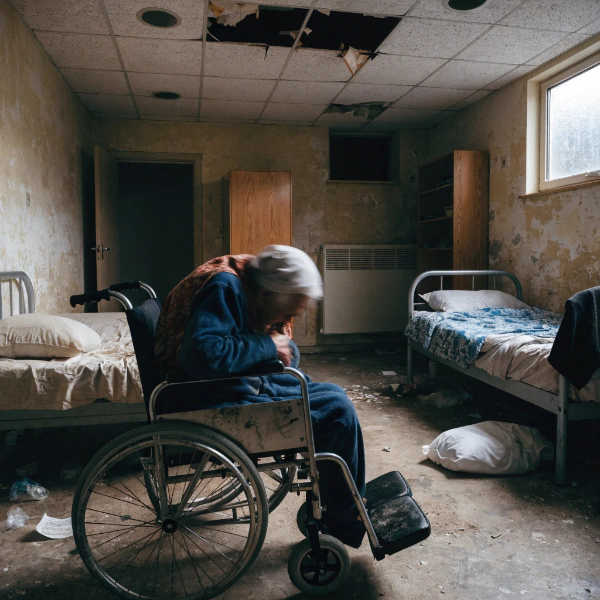
Care homes in Rotherham are expected to provide consistent, attentive support for residents who cannot fully care for themselves. When standards slip, problems usually develop gradually rather than through a single event, and preventable harm can occur. Legal cases often arise when a decline in care correlates with risks that should have been managed over […]
16
Jul
Jul
Retail parks in Wakefield bring multiple businesses into one shared environment — stores, restaurants, walkways, and large car parks. When an accident happens, responsibility is not automatically tied to the nearest brand. Liability depends on who controlled the exact area where the hazard existed and whether it should reasonably have been addressed. How retail parks […]

13
Jul
Jul
Overcrowded rental housing is a known issue in parts of Bradford, especially in older or shared properties. A claim may be possible, but overcrowding alone is not enough. The key question is whether unsafe conditions caused an injury — and whether those conditions should reasonably have been prevented. What overcrowding means in practice Overcrowding is […]

10
Jul
Jul
Spa and wellness treatments in Harrogate are expected to be safe, controlled, and professionally delivered. When procedures are rushed, unsuitable, or poorly monitored, injuries can occur. A claim may be possible where the treatment fell below an acceptable standard and that failure caused harm. What a safe treatment should involve A proper process includes: a […]
09
Jul
Jul
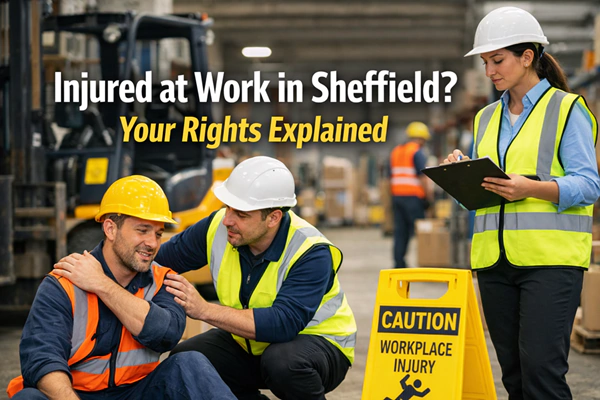
York’s historic streets attract thousands of visitors, but features like cobbles, narrow paths, and older infrastructure naturally create uneven surfaces and limited space. These characteristics are part of the city’s heritage — and not every accident leads to council responsibility. The key question is whether a hazard was inherent or something that should have been […]
06
Jul
Jul
Sheffield has a longstanding industrial identity, with factories, warehouses, and distribution centers forming a major part of the local economy. These environments are often fast-paced and physically demanding, and they involve machinery, manual handling, or moving vehicles. Despite the presence of safety procedures, workplace accidents still occur, and when they do, employees receive adequate protection. […]
04
Jul
Jul
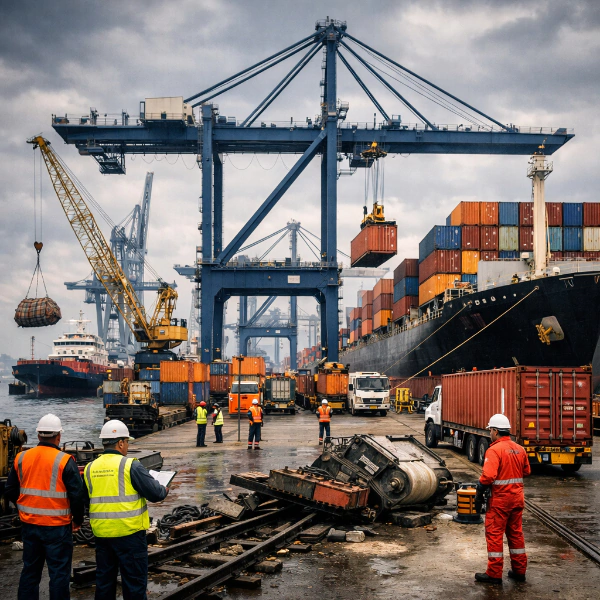
Hull’s dockyards and port operations involve constant movement, heavy machinery, and tight working spaces. These environments are inherently high‑risk, and when something goes wrong, injuries are often more serious than in standard workplaces. The key issue is not just the accident itself, but how the risk was controlled and who was responsible at the time. […]
30
Jun
Jun
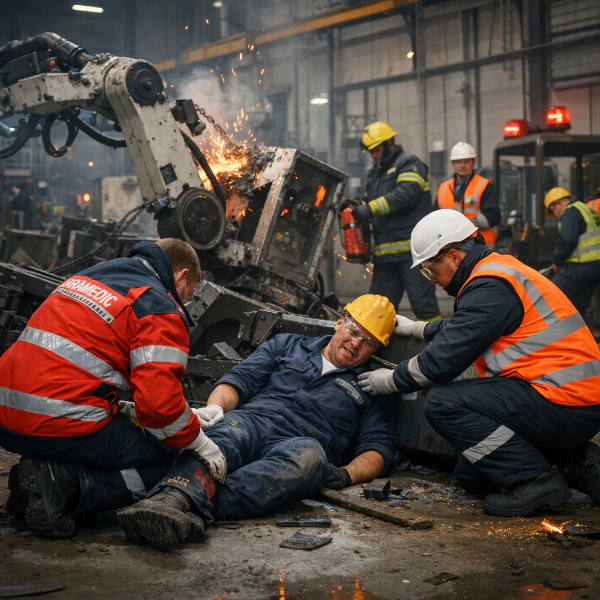
Industrial work in Sheffield relies heavily on machinery, but modern safety depends less on physical distance and more on integrated safety systems—guards, sensors, shutdown mechanisms, and clear procedures. When an accident occurs at work, the issue is rarely the machine itself but the failure of a system designed to prevent harm. How safety systems should […]
29
Jun
Jun
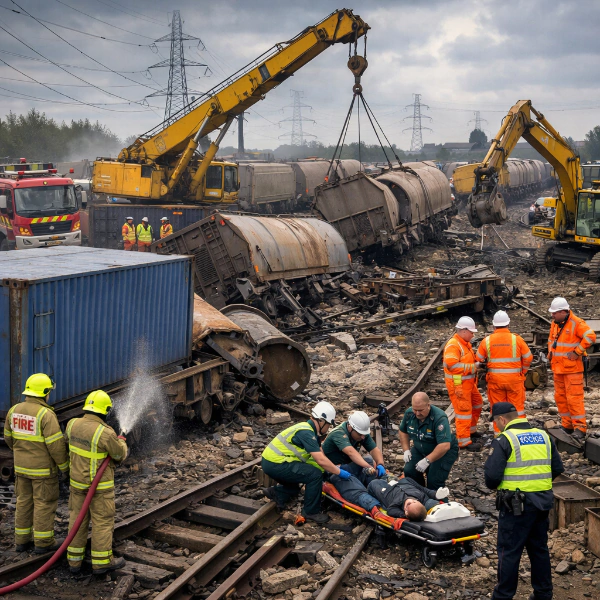
Rail freight plays a major role in Doncaster, yet the risks within depots, sidings, and industrial rail links often go unnoticed. These environments involve heavy machinery, restricted visibility, and tightly coordinated operations, making injuries both serious and difficult to assess. Why freight injuries are overlooked Freight operations happen in restricted, privately managed industrial zones, creating […]