

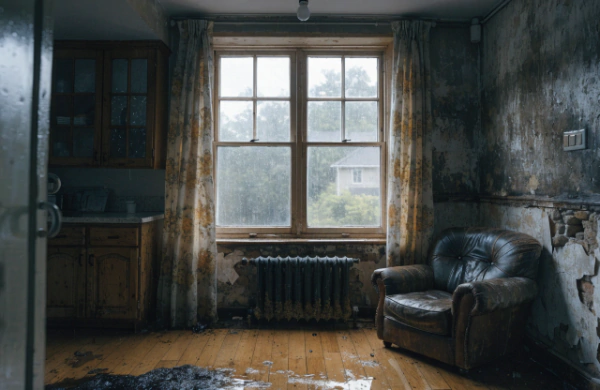
Housing disrepair rarely begins as a crisis. For many tenants across Yorkshire, it starts with a minor fault that is reported, acknowledged, and then left unresolved. Over time, that fault worsens, other issues appear, and living conditions gradually fall below an acceptable standard.
What makes housing disrepair particularly difficult is not just the condition of the property but the lack of action that often follows repeated requests for repair. When problems persist, tenants are left managing unsafe or unhealthy living conditions while still paying rent for a home that is no longer fit to live in.
Understanding when disrepair becomes a legal issue and what options may be available can help tenants regain control of their situation.
How housing disrepair issues develop in Yorkshire properties
Yorkshire’s housing stock includes a large number of older properties, converted buildings and high-density rental accommodations. These factors make ongoing maintenance especially important.
Disrepair often develops where small issues are treated as low priority or are repeatedly patched rather than properly repaired. Over time, this approach allows problems to escalate.
Common housing disrepair issues reported by tenants across Yorkshire include:
- persistent damp caused by poor ventilation, insulation or leaking pipework
- defective heating systems that leave properties cold for long periods
- leaking roofs, windows or plumbing that cause internal damage
- electrical faults that pose safety risks
- broken doors, windows or locks that compromise security
Individually, these problems may appear manageable; collectively, they can make a property uncomfortable, unsafe, or unsuitable for long-term occupation.
The impact of ongoing disrepair on daily life
Living in a property affected by disrepair places a constant strain on day-to-day life.
Cold, damp, or poorly ventilated houses are harder to heat and more expensive to run, particularly during the winter months. Water leaks can damage furniture, flooring and personal belongings, forcing tenants to live around the problem rather than resolve it.
Sleep is often affected where heating systems are unreliable or where noise, draughts or moisture issues persist. Daily routines become more difficult, especially for households with children, older residents or people with established health conditions.
Over time, frustration builds. Tenants may feel they are being ignored or dismissed, particularly when repairs are reported repeatedly with little or no response.
Health and safety concerns linked to disrepair
Housing disrepair is not simply an inconvenience; it can pose real risks to health and safety.
Dampening and poor insulation can worsen respiratory conditions and increase the likelihood of mould growth. Faulty electrical systems increase the risk of fire, while broken stairs, loose flooring, or damaged handrails raise the risk of falls.
In some cases, tenants adapt to unsafe conditions out of necessity, using temporary fixes or avoiding parts of the property altogether. This does not remove the underlying risk, and it should not be treated as an acceptable solution.
Where living conditions begin to affect health, the seriousness of the situation increases significantly.
Landlord responsibilities and legal duties
Landlords have clear legal responsibilities to keep rental properties in a reasonable state of repair. This includes maintaining the building’s structure and ensuring that essential services, such as heating, water, and electricity, are safe and functional.
Landlords are not expected to prevent every fault from occurring; they are expected to act when problems are reported or when issues are reasonably foreseeable.
A housing disrepair claim may arise where:
- repair requests are ignored or unreasonably delayed
- temporary fixes are used instead of proper repairs
- conditions deteriorate despite repeated reports
- tenants are discouraged from raising concerns
- disrepair begins to affect health or safety
Responsibility does not depend on whether a landlord intended to neglect the property. What matters is whether reasonable steps were taken to address known issues.
Evidence and reporting issues
One of the most common challenges in housing disrepair cases is evidence.
Tenants are often told that they did not report problems or provide access for repairs. It can be crucial to maintain clear records, which should include copies of messages, emails, photographs, and notes detailing the reporting of issues.
Delays also matter. A repair that might reasonably take days or weeks can become unacceptable when it stretches into months or longer without explanation.
Even where some work has been carried out, repeated failures or ineffective repairs may still support a claim if the underlying issue remains unresolved.
When housing disrepair becomes a compensation claim
Not every repair issue leads to a compensation claim; however, claims may be appropriate where disrepair persists and causes measurable harm.
This may include damage to personal belongings, increased living costs, disruption to daily life, or health problems linked to poor living conditions. In some cases, tenants may also seek a rent reduction for the period during which the property was not properly maintained.
Each situation depends on its facts, including the severity of the disrepair, how long it lasted, and how the landlord responded once notified.
Why timing and approach matter
Housing disrepair cases often escalate because early concerns were not taken seriously.
Tenants may postpone formal action with the expectation of eventual resolution, only to discover that conditions worsen. When tenants seek advice, the impact on their health, finances, or wellbeing may already be significant.
Understanding when informal resolution is no longer appropriate can help tenants avoid prolonged exposure to unsafe living conditions.
Regaining control as a tenant
Living with unresolved disrepair can leave tenants feeling powerless, particularly where communication with a landlord has broken down.
Clear information about rights, responsibilities and available options can restore a sense of control. Whether the goal is to secure proper repairs, recover losses, or address prolonged neglect, informed guidance helps tenants take proportionate and effective steps forward.
For tenants across Yorkshire, housing should provide safety and stability; when it does not, understanding the legal position can be an important step toward improving living conditions and protecting long-term wellbeing.