

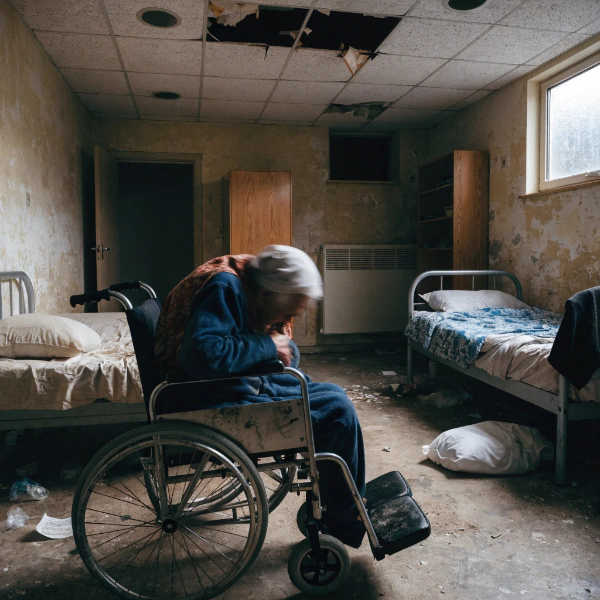
Care homes in Rotherham are expected to provide consistent, attentive support for residents who cannot fully care for themselves. When standards slip, problems usually develop gradually rather than through a single event, and preventable harm can occur. Legal cases often arise when a decline in care correlates with risks that should have been managed over time.
What proper care should involve
Good care requires:
- ongoing monitoring of health and behaviour
- maintaining a safe environment
- responding promptly to changes
- adequate staffing, training, and communication
The standard is not perfection — it is whether reasonable, consistent steps were taken to support the resident’s wellbeing.
How care begins to fail
Failures often start small: a missed check, a delayed response, or poor communication. When these gaps repeat or remain unaddressed, they can lead to deterioration in a resident’s condition or unmanaged risks.
How issues typically develop
- Admission — needs assessed, care plan created.
- Early warning signs — mobility changes, discomfort, illness indicators.
- Missed or delayed response — concerns noted but not acted on properly.
- Deterioration — condition worsens due to lack of intervention.
- Incident — fall, medical complication, or other harm prompts review.
Responsibility often relates to the pattern of care, not one moment.
Why care‑home cases differ
Care homes involve continuous responsibility, not isolated interactions. Safety depends on consistency, and negligence often stems from a series of actions or omissions rather than a single mistake.
Where responsibility may arise
Care providers must ensure:
- care plans are followed
- staff are trained
- concerns are identified and acted upon
The question is whether the system of care functioned as it should.
What determines negligence
A case usually requires:
- a duty of care (present in all care homes)
- a breach (standards fell below what was expected)
- harm linked to that breach
In care settings, breaches often relate to how a resident’s condition was managed over time.
Evidence that matters
Key records include:
- daily care notes
- medical records
- internal logs and incident reports
- communication with family
These help build a picture of how care was delivered across a timeline.
Why patterns matter
A single error may not amount to negligence. Repeated failures or ongoing inaction can show that the overall standard of care was not maintained.
Why appearances can mislead
A care home may look organised while underlying issues persist. Documentation may show checks were done, but the quality of those checks can vary. Understanding what actually happened requires looking beyond surface impressions.
Core principle
Care homes must provide consistent, responsive support. When gaps in care accumulate and contribute to harm, the situation may move from a care issue to a legal matter. The key question is whether those gaps were significant enough to affect the resident’s wellbeing.