

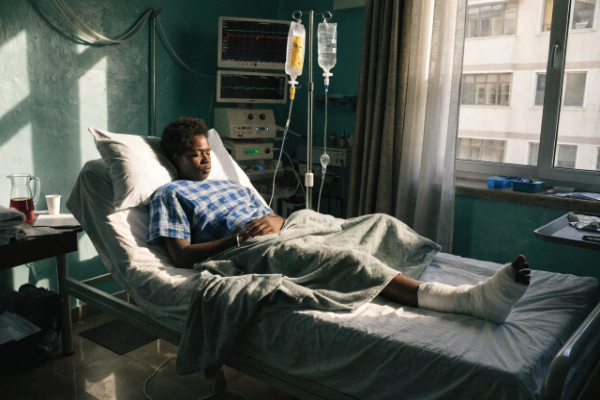
Losing a limb or suffering a serious limb injury is one of the most life-altering injuries a person can experience. Across Yorkshire, these injuries arise in very different settings, from agricultural and industrial workplaces to road collisions and avoidable surgical errors. In many cases, the injury itself is only the beginning. The long-term impact on mobility, independence, work and mental wellbeing often reshapes a person’s life permanently.
Understanding how these injuries occur, how they affect daily living, and when compensation may be available is an important first step for anyone trying to rebuild after a devastating event.
How limb injuries and amputations commonly occur in Yorkshire
Yorkshire’s geography and industries create a wide range of risks for serious limb injuries.
In rural areas, agricultural machinery such as harvesters, balers and cutting equipment can cause catastrophic injuries if safety systems fail or proper training is not provided. These incidents often result in crush injuries or traumatic amputations, particularly to hands, arms or lower limbs.
In industrial and manufacturing settings, heavy machinery, conveyors and cutting tools pose similar dangers. Where guarding is inadequate or maintenance is neglected, a momentary lapse can have irreversible consequences.
Road traffic accidents are another significant cause. Collisions involving cars, trucks, motorcycles or cyclists can lead to severe limb trauma, especially where high speeds or side impacts are involved. In some cases, emergency surgery following a collision may result in an amputation to save life.
Amputations can also arise from medical treatment. Surgical errors, delayed diagnosis of infections, or inadequate post-operative care can result in avoidable tissue damage. These cases are particularly complex, as the harm often develops over time rather than in a single moment.
The physical and practical consequences of limb loss
The immediate physical effects of an amputation or serious limb injury are often obvious, but the practical consequences tend to unfold gradually.
Loss of mobility is one of the most common challenges. Even with modern prosthetics, adjusting to walking, standing, or balancing can take years of rehabilitation. For upper limb injuries, everyday tasks such as dressing, cooking or driving may require significant adjustments.
Chronic pain is also common. Many people experience ongoing discomfort at the injury site or phantom limb pain, which can be difficult to manage and unpredictable in nature.
It frequently affects employment. Manual roles may no longer be possible, and even desk-based work can become challenging depending on the injury. Retraining or changes in career direction are often necessary, with financial implications that extend far beyond initial recovery.
Daily routines, hobbies, and social activities may also need to change, resulting in a sense of loss that goes beyond the physical injury itself.
Psychological and emotional impact after amputation
Amputation and serious limb injuries do not only affect the body. They often disrupt a person’s sense of identity and independence.
Many people experience grief for the life they had before the injury. This may include feelings of frustration, anger or sadness as they adjust to new limitations. Confidence may be affected, particularly in social situations or public spaces.
Relationships can also change. Partners, family members and friends may assume caring roles, altering dynamics and placing emotional strain on everyone involved. Some individuals withdraw socially, especially during the early stages of recovery.
Mental health support is often an essential part of rehabilitation, but it is not always readily available. Recognising the psychological impact of limb loss is crucial when considering the true scale of the harm caused by these injuries.
Long-term care, rehabilitation and support needs
Recovery after amputation is rarely a short process. Many people require years of ongoing support.
Physiotherapy and rehabilitation programs are central to gaining as much independence as possible. Prosthetics may need to be adjusted or replaced over time, particularly as the body changes or technology improves.
Home adaptations are often necessary. This can include ramps, stairlifts, bathroom modifications or widened doors to make daily living safer and more manageable.
Some individuals require long-term assistance with personal care, transportation, or household tasks. These needs can evolve, meaning future planning is just as important as addressing immediate costs.
Because these requirements extend well into the future, any assessment of compensation must take a long-term view rather than focusing solely on initial medical treatment.
When amputation or limb injuries lead to compensation claims
Not every amputation or limb injury will result in a compensation claim, but many arise because someone failed in their legal duty of care.
In workplace settings, this may involve inadequate training, faulty equipment, missing safety guards or pressure to work unsafely. Employers have a responsibility to reduce foreseeable risks, particularly in high-risk environments.
On the road, liability may rest with a negligent driver, a company responsible for a vehicle, or another party whose actions caused the collision.
In medical cases, compensation may be available where substandard treatment, delayed intervention or surgical errors led directly to the loss of a limb or made the outcome significantly worse than it should have been.
Establishing liability often necessitates a thorough investigation, expert evidence, and a clear comprehension of the injury’s avoidable causes.
Why early legal advice matters in life-changing injury cases
Amputation and limb injury claims are among the most complex personal injury cases. The long-term nature of the harm means early decisions can have lasting consequences.
Evidence needs to be preserved while it is still available, including medical records, workplace documentation or accident reports. Accurately valuing a claim depends on understanding future care needs, loss of earnings, and the cost of ongoing support.
Without proper advice, there is a risk of underestimating the true impact of the injury and accepting compensation that does not reflect lifelong needs. Early guidance helps ensure that all aspects of the injury, physical, psychological and financial, are properly considered.
For people across Yorkshire dealing with the aftermath of an amputation or serious limb injury, access to clear, informed legal advice can make a meaningful difference in securing stability and support for the future.